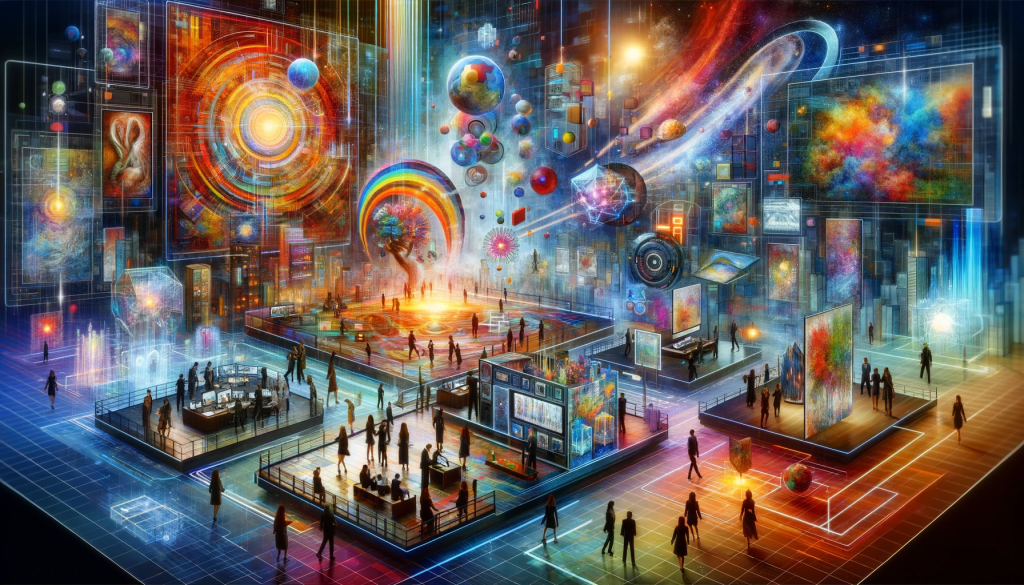
In the evolving realm of digital art, DALL-E 3 has emerged as a groundbreaking AI-powered tool, fundamentally transforming how artists and entrepreneurs approach visual creation. Its innovative outpainting feature extends the canvas of creativity, allowing for unparalleled artistic expression. This breakthrough not only elevates the potential of digital art but also paves the way for novel monetization strategies. With DALL-E 3, artists gain unprecedented commercial rights to their creations, offering a unique opportunity to leverage these artworks in various commercial avenues such as print sales and merchandise. This article delves into the diverse aspects of monetizing DALL-E 3 creations, exploring how to launch and thrive in an online art business in the age of AI.
Table of Contents
- Commercialization of DALL-E Generated Art
- Establishing an Online Art Store
- Leveraging Print On Demand Services
- Showcasing the Potential of AI-Generated Art
- The Rising Field of Prompt Engineering: Selling Prompts as a Business
- AI’s Role in the Future of Graphic Design: Transforming Creativity and Efficiency
- Conclusion: Democratizing Art Creation and Entrepreneurship
Commercialization of DALL-E Generated Art
A significant aspect of DALL-E 3 is the empowerment it gives to users. Artists are granted full commercial rights to their creations, making it feasible to use these artworks for print, sales, and merchandise. This level of freedom is crucial for artists seeking to capitalize on their creativity, especially considering that these rights extend to artworks produced during the tool’s research preview phase. However, it is imperative that all creations adhere to DALL-E’s content policy and terms of use.
Establishing an Online Art Store
In the digital age, e-commerce platforms like Etsy and Redbubble have become pivotal for artists looking to monetize their creations. By establishing an online art store on these platforms, DALL-E users can turn their digital artworks into a profitable venture. The process starts with developing a unique design concept, which is then complemented by the effective use of e-commerce tools such as Shopify for sales, marketing, and customer engagement.
Moreover, the current technological landscape makes it feasible to keep startup costs low. Options like WordPress or Shopify are excellent for creating a digital storefront, each offering different levels of customization and user control, catering to varying levels of technical expertise.
Leveraging Print On Demand Services
For artists preferring a more hands-off approach to product management, Print On Demand (POD) services offer a streamlined solution. These services take on the responsibilities of printing, shipping, and customer service, thus allowing artists to concentrate on creating and promoting their products. Major e-commerce platforms such as Shopify, Etsy, and WordPress support integration with POD services, with companies like Printful making the setup process seamless and efficient.
Showcasing the Potential of AI-Generated Art
The power of AI in creating visually compelling artworks is aptly demonstrated through AI-generated posters of cities like Venice, Miami, and London. These posters not only reflect the distinctive character of each city through iconic landmarks and elements but also showcase the artistic potential and versatility of AI-generated art.
The Rising Field of Prompt Engineering: Selling Prompts as a Business
Prompt engineering is an emerging field in the realm of AI and digital art, particularly relevant to platforms like DALL-E that generate artwork based on textual prompts. As AI technology becomes more advanced, the ability to skilfully craft prompts that lead to high-quality, unique, and desirable outputs becomes a valuable skill. This field offers a new avenue for monetization for those who are adept at understanding and manipulating AI algorithms through text.
Understanding Prompt Engineering
Prompt engineering involves crafting detailed, creative, and effective prompts that guide AI systems to produce specific types of images or text. This requires a deep understanding of how AI interprets language and a flair for creativity to imagine how different descriptions will translate into visual art. The key is to create prompts that are clear, evocative, and capable of leading to diverse, interesting, and commercially viable outputs.
Who Can Benefit from Selling Prompts?
- Digital Artists: Those who are skilled in creating visual art but may not be as experienced in working with AI can leverage the expertise of prompt engineers to bring their concepts to life.
- Businesses and Marketers: Companies looking to generate unique content for marketing or advertising can use specialized prompts to create visuals that stand out.
- Event Organizers: Custom prompts can be used to create unique themes or visuals for events like weddings, corporate events, or parties.
- Educators and Researchers: In academic or research settings, specific prompts can aid in creating educational materials or visual aids.
How to Monetize Prompt Engineering
- Freelance Services: Offer your services on freelancing platforms where you can connect with clients looking for custom AI-generated art. Here, you can sell your expertise in crafting prompts that meet their specific needs.
- Consultancy for Businesses: Position yourself as a consultant for businesses that want to use AI-generated art but lack the expertise in prompt engineering.
- Creating and Selling Prompt Templates: Develop a set of effective prompt templates for various themes and sell them to artists or businesses.
- Workshops and Training: Conduct workshops or create online courses teaching others how to craft effective prompts for AI art generation.
- Partnerships with AI Art Platforms: Collaborate with platforms that offer AI-generated art services, providing them with specialized prompts for their customers.
Building a Portfolio
To establish credibility and showcase your skill, it is crucial to build a portfolio of your prompts and the resulting AI-generated artworks. This portfolio can be presented to potential clients or used in your marketing materials to demonstrate the range and effectiveness of your prompt crafting skills.
Marketing Your Services
Effective marketing is key to success in prompt engineering. Utilize social media, content marketing, and networking to reach potential clients. Showcasing your successful prompts and their outputs on platforms like Instagram, LinkedIn, or dedicated art forums can attract attention from potential clients.
Staying Ahead in the Field
Prompt engineering is a rapidly evolving field, and staying updated with the latest developments in AI and digital art is crucial. Regularly experimenting with new types of prompts, attending relevant workshops, and networking with other professionals in the field will help you stay at the forefront of this niche market.
The field of prompt engineering offers a unique blend of creativity, technical skill, and market understanding. As AI-generated art continues to grow in popularity and application, the demand for skilled prompt engineers is likely to increase, presenting a novel and lucrative career opportunity for those with the right skills and vision.
AI’s Role in the Future of Graphic Design: Transforming Creativity and Efficiency
The intersection of artificial intelligence (AI) and graphic design is forging a new frontier in the creative industry. As AI technologies evolve, they are progressively reshaping the landscape of graphic design, offering novel tools and approaches that augment human creativity and efficiency. This article delves into the multifaceted impact of AI on the future of graphic design, highlighting the opportunities and challenges it presents.
Enhancing Creativity with AI Tools
AI-driven tools are redefining the creative process in graphic design. These tools can analyse vast amounts of data, learn from design trends, and offer suggestions that can inspire designers. This includes generating colour palettes, suggesting layouts, and even proposing entire design concepts based on a set of parameters or styles. For instance, AI can quickly produce multiple variations of a design, allowing designers to explore a broader range of options and ideas more rapidly than ever before.
Streamlining Workflow and Efficiency
One of the most significant impacts of AI in graphic design is the automation of repetitive and time-consuming tasks. Tasks like resizing images, adjusting colour schemes, and creating vector graphics can be expedited with AI, freeing designers to focus more on the creative aspects of their work. This efficiency not only speeds up the design process but also reduces the potential for human error, ensuring a higher quality of output.
Personalization and User-Centric Design
AI enables more personalized and user-centric design experiences. By analysing user data, AI can tailor designs to individual preferences and behaviours, creating more engaging and effective visual communication. This level of personalization is particularly valuable in marketing and advertising, where customized content can significantly enhance audience engagement and response rates.
Challenges and Ethical Considerations
While AI offers numerous benefits, it also poses challenges, particularly regarding creativity and job security. There is a concern that AI might standardize designs, potentially stifling creativity, and originality. Moreover, the automation of certain tasks raises questions about the future role of human designers and the potential for job displacement.
Additionally, ethical considerations around data privacy and the use of AI in creating deepfakes or misleading content are critical. Designers and companies need to navigate these challenges responsibly, ensuring that the use of AI in graphic design adheres to ethical standards and respects user privacy.
Collaborative Synergy: AI and Human Creativity
The future of graphic design with AI is not about replacing human designers but rather enhancing their capabilities. AI can be seen as a collaborative tool that augments human creativity. The combination of human intuition, creativity, and emotional intelligence with AI’s computational power and data-processing capabilities can lead to more innovative and impactful designs.
Education and Skill Development
As AI becomes more integrated into graphic design, the need for designers to adapt and learn new skills is imperative. This includes understanding how to work with AI tools, interpret their outputs, and integrate them effectively into the design process. Educational institutions and professional development programs are increasingly incorporating AI into their curricula to prepare the next generation of designers for this evolving landscape.
AI’s role in the future of graphic design is undeniably transformative. It offers exciting opportunities to enhance creativity, improve efficiency, and personalize designs. However, navigating the challenges and ethical considerations of AI is crucial to harnessing its full potential. By embracing AI as a collaborative tool, the graphic design industry can look forward to a future that combines the best of human creativity and technological innovation.
Conclusion: Democratizing Art Creation and Entrepreneurship
As we stand at the cusp of a new era in digital creativity, DALL-E 3 emerges not just as a tool, but as a transformative force reshaping the landscape of art and commerce. This AI-powered platform transcends traditional boundaries of artistic expression, enabling creators to explore realms beyond the imaginable. Its outpainting feature, in particular, has expanded the canvas of possibility, making it an instrumental asset in the toolkit of modern artists and entrepreneurs.
Empowering Artists with Unprecedented Opportunities
The commercial rights granted by DALL-E 3 have opened doors to unparalleled opportunities. Artists can now seamlessly transform their digital creations into tangible assets, venturing into realms of print sales, merchandise, and more. This shift is not just about monetization; it is a movement towards democratizing art creation and ownership. It allows creators from all backgrounds to partake in the art market, previously the domain of a select few.
Revolutionizing Online Art Commerce
The advent of e-commerce platforms like Etsy and Redbubble, in conjunction with DALL-E 3, has revolutionized the way art is sold and experienced. Artists are now empowered to establish online stores with minimal startup costs, leveraging platforms like Shopify to manage sales, marketing, and customer engagement. This digital transformation is not merely a trend; it is a fundamental shift in how art is commercialized and consumed.
The Emergence of Prompt Engineering as a New Frontier
A noteworthy development is the rise of prompt engineering. This emerging discipline underscores the nuanced relationship between language and visual art in the AI context. Skilful crafting of prompts has become an art in itself, offering a new avenue for monetization and creativity. It is a testament to how AI is not just a tool for creation but also an avenue for innovative entrepreneurial ventures.
Challenges and Ethical Considerations
While the opportunities are vast, they are not without challenges. The standardization of designs, potential job displacement, and ethical concerns regarding data privacy and deepfakes are issues that need careful navigation. As we embrace AI in art and business, it is crucial to balance innovation with responsibility, ensuring that this technological advancement benefits society as a whole.
Looking Ahead: A Synergistic Future
The integration of AI in graphic design and art heralds a future where human creativity is not replaced, but amplified. Education and skill development in this new domain are imperative for artists and entrepreneurs. The future lies in a collaborative synergy where the intuition and creativity of humans are complemented by the computational power of AI.
In essence, DALL-E 3 is more than a technological marvel; it is a beacon of the new age of art and entrepreneurship. It opens a world where art is more accessible, creation more diverse, and business opportunities more abundant. As we navigate this exciting yet uncharted territory, DALL-E 3 stands as a symbol of potential, challenge, and promise – a tool that not only creates art but also redefines the very paradigms of creativity and commerce in the AI era.