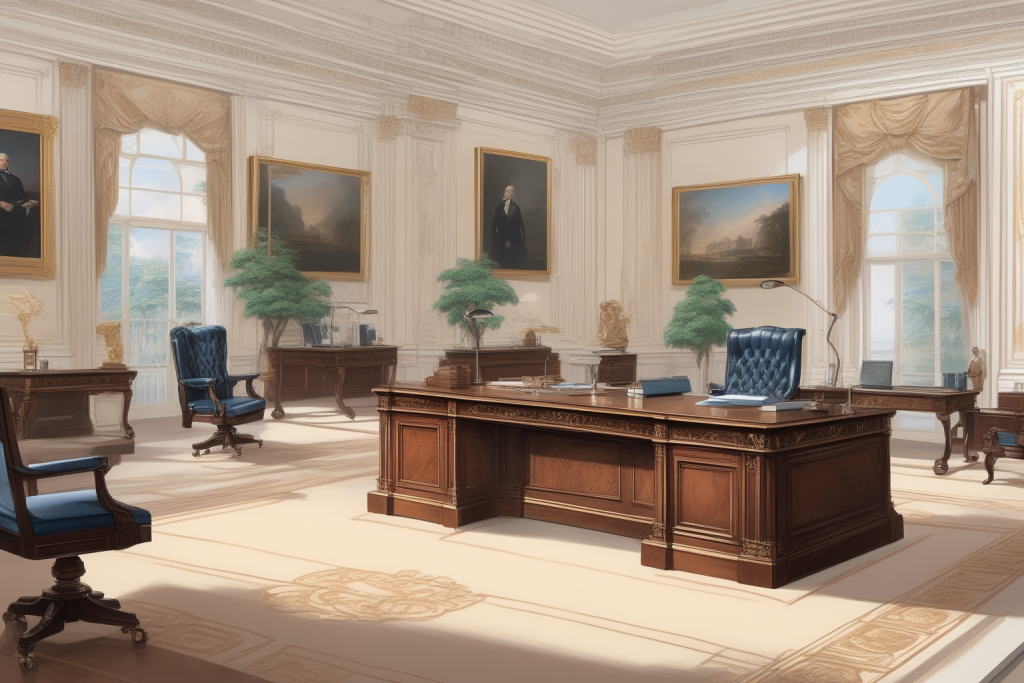
In an increasingly visual digital landscape, content creators and businesses are constantly seeking tools to craft compelling visuals that captivate their audience. Enter Midjourney, an artificial intelligence (AI) platform that has become a game-changer in the realm of digital art and design. This AI-powered tool has piqued the interest of many with its capacity to create stunningly intricate designs from simple text prompts. But as its popularity grows, so do questions about its commercial use. Here is a deeper exploration of Midjourney, its capabilities, and the intricacies of using its output for commercial purposes.
Understanding Midjourney and Its Capabilities
Midjourney stands at the intersection of technology and creativity. It is an AI image-generation tool that focuses on augmenting human creativity, allowing users to explore new dimensions of image creation. By using natural language descriptions, users can coax the AI to generate images that are often startling in their complexity and beauty.
The tool operates on a model trained with a vast array of images and utilizes advanced machine-learning algorithms. Users interact with Midjourney through Discord, where they submit text prompts. In response, the AI sifts through its training, drawing on countless visual elements to produce images that align with the user’s request.
The Commercial Use of Midjourney
Can Midjourney be used commercially? The answer is nuanced. Midjourney can be used for commercial purposes, but understanding and adhering to the licensing agreements is critical.
Licensing Terms and Copyright Considerations
Users can employ images commercially, but it is important to thoroughly review and comply with the terms outlined by Midjourney. It is crucial to recognize that using Midjourney does not grant copyright ownership of the generated images. On February 21, 2023, the US Copyright Office ruled that Midjourney AI images are not original works of authorship and cannot be copyrighted. This ruling was made in the case of Zarya of the Dawn (Registration # VAu001480196) and confirms a previous ruling given on February 14, 2022, in the case of the “Entrance to Paradise” AI copyright application. It means that users are licensed to use the images, but they are not given exclusive rights. If you are a paying subscriber, then your usage rights are governed by the General Commercial Terms.
This means that you can use your Midjourney image assets for any purpose, including commercial purposes, as long as you comply with certain conditions.
The Midjourney paid licence rules:
- You must not claim ownership or authorship of the images or imply any endorsement by Midjourney
- You do not use Midjourney-generated assets in any way that is unlawful, defamatory, obscene, harmful, or infringing on the rights of others
- You do not use the images or platform in any way that could harm or interfere with Midjourney’s services, systems, or networks
Now, let us say you are a larger business. Midjourney says that if you are a company making more than $1,000,000 in gross revenue per year, you must purchase the Pro plan to use the generated images commercially.
Midjourney Subscription Plans
Midjourney offers several subscription plans with varying costs. The Basic plan costs $10 per month, providing 200 minutes of GPU time per month. The Standard plan costs $30 per month, offering 15 hours of fast GPU time per month and unlimited relaxed GPU time. There is also a Corporate plan for $600 per year, which includes 120 hours of GPU time per year and additional benefits. Yearly subscriptions are available at a 20% discount, with the Basic plan costing $8 per month and the Standard plan costing $24 per month. Midjourney is no longer free to use.
Appropriate Scenarios for Commercial Use of Midjourney
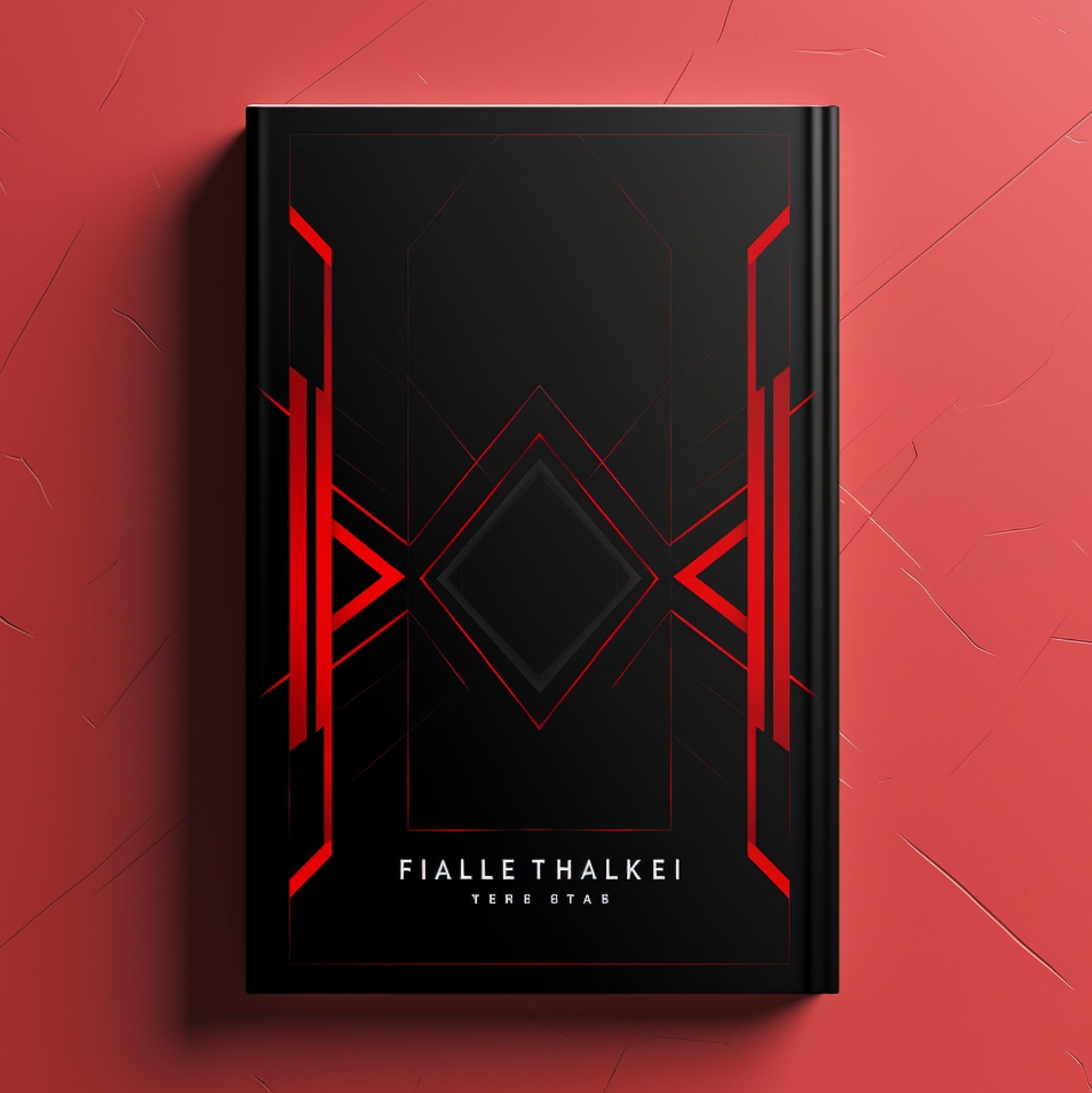
Promotional Content and Artistic Covers Utilizing images from Midjourney can greatly benefit commercial endeavors, particularly in the creation of compelling promotional content, advertisements, and artistic covers for books or music albums. Leveraging the platform’s AI-driven imagery gives businesses an edge, allowing them to craft standout visuals that cut through the noise of a crowded marketplace.
Prompt: flat eBook cover, black and red, simple, minimalistic, flat book cover vertical, modern, attractive
Result:
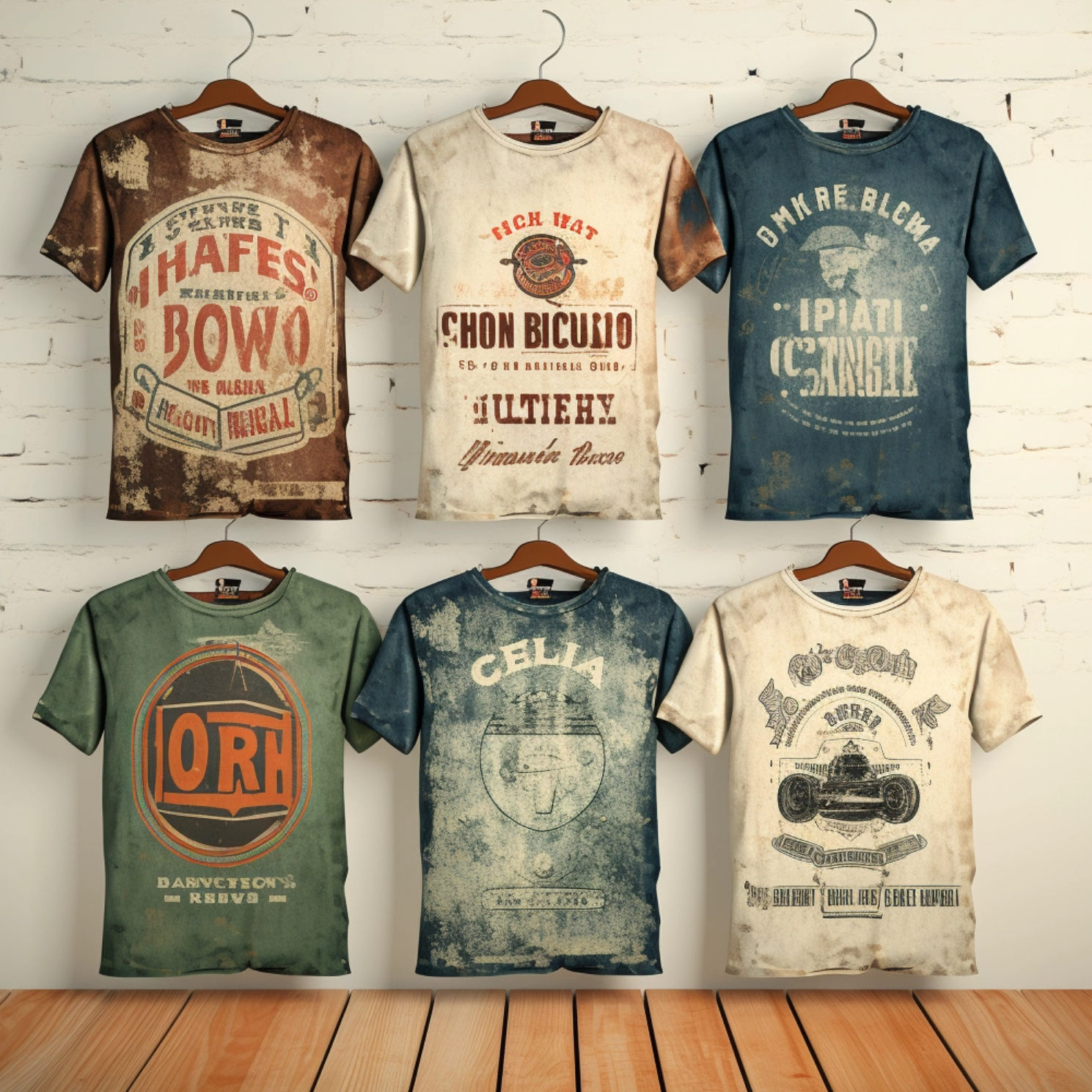
Custom Merchandise and Art Prints Midjourney’s capabilities extend to the realm of custom merchandise and art prints. Those with a premium subscription have the opportunity to infuse these AI-crafted images into a variety of products such as t-shirts, posters, and more, providing a fresh avenue for businesses to diversify their product lines and engage with customers in new and creative ways.
Prompt: Create t-shirts featuring vintage sign logos from different eras, Incorporate worn textures and distressed effects to give them an aged appearance, with white background
Result:
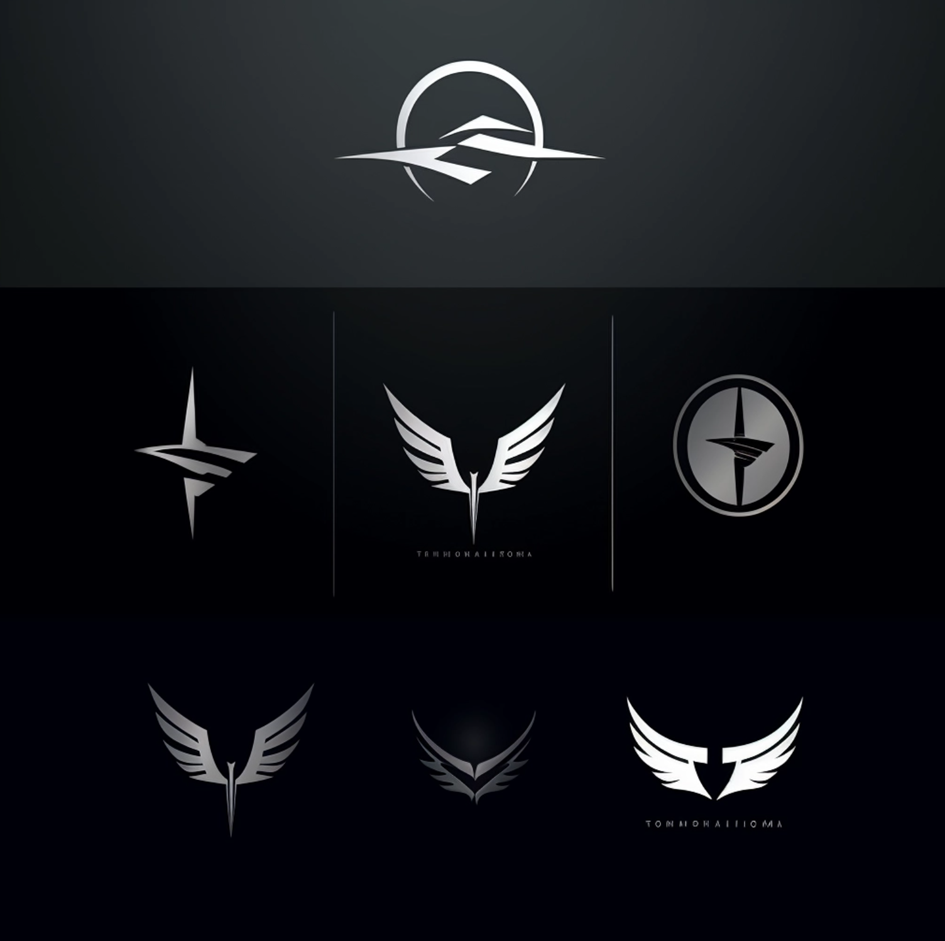
Brand Identity and Logo Design For businesses looking to establish or revamp their brand identity, Midjourney offers an innovative approach to logo and branding material design. The platform’s capacity to generate distinctive, memorable visuals can serve as a cornerstone for building a brand identity that captures attention and conveys uniqueness, setting a business apart from its competitors.
Prompt: logo design creative minimalistic, sleek for film and television production distribution company
Result:
Conclusion
As the digital world becomes ever more saturated with content, the quest for eye-catching visuals has led creators and businesses to Midjourney, a trailblazing AI platform that stands as a testament to the fusion of artificial intelligence and human creativity. Its ability to transform textual descriptions into visually stunning designs has indeed marked it as a pivotal innovation in digital art and design. But with this innovation comes a complex web of legal and ethical considerations, particularly regarding commercial use.
Midjourney challenges traditional notions of creativity, offering a tool that both complements and enhances human ingenuity, enabling users to traverse previously uncharted territories of image creation. This capacity to generate images of astonishing intricacy from mere words is not just a technical marvel but a doorway to endless possibilities for creators and businesses alike.
In the commercial realm, Midjourney offers an array of applications, from marketing materials that catch the public eye to custom merchandise that captures the essence of a brand. It invites businesses to reimagine their visual identity, to craft logos and branding materials that are not only distinctive but also deeply resonant with their vision.
However, the ease of creation does not absolve users of the need to understand the intricate licensing terms and copyright considerations that come with using Midjourney’s AI-generated images. The landmark ruling on February 21, 2023, which declared that AI-generated images do not constitute original works of authorship, underscores the importance of acknowledging that while these images can be licensed for use, exclusive rights are not conferred upon them.
This distinction is crucial for businesses, especially those generating substantial revenue, who must navigate the legalities of using such images in alignment with Midjourney’s Pro plan requirements. With subscription plans tailored to different levels of need, Midjourney ensures that companies of all sizes have access to its revolutionary capabilities, albeit with the stipulation of adherence to its usage guidelines.
In conclusion, Midjourney’s approach to commercial image generation heralds a new age of design democratization, where sophisticated image generation becomes accessible to all. It empowers creators and businesses to produce visuals that truly resonate with audiences, blending AI’s transformative power with the nuanced touch of human creativity. Yet, it also demands a conscientious understanding of the legal landscape, ensuring that the utilization of AI in the commercial domain is not only innovative but also responsible. As we embrace the vast potential of AI-generated imagery, we must do so with a clear grasp of our rights and responsibilities. We must ensure that this fusion of technology and art continues to be a wellspring of inspiration and innovation for the commercial world.