
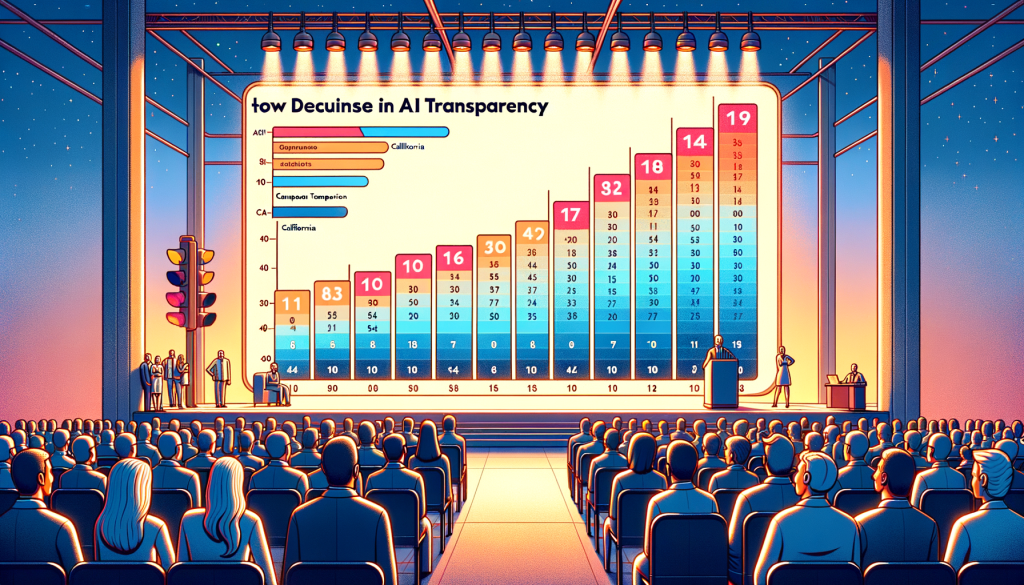
The 2025 Foundation Model Transparency Index reveals a significant decline in transparency among major AI companies, with an average score of only 40 out of 100. This annual report, compiled by researchers from Stanford, Berkeley, Princeton, and MIT, assesses companies on criteria such as training data, risk mitigation, and economic impact. While IBM leads with a historic high score of 95, companies like xAI and Midjourney score as low as 14, disclosing minimal information about their models’ data, risks, or mitigation strategies. The industry as a whole remains largely opaque regarding the environmental and societal impacts of foundation models. Transparency practices are largely driven by individual company choices rather than industry-wide incentives. Scores have dropped considerably since 2024, with notable decreases from companies like Meta and Mistral. The index also highlights that openness, such as releasing model weights, does not guarantee transparency in practices or impact. Policymakers in regions like California and the European Union are increasingly mandating transparency due to the growing importance of AI and its potential risks. The Foundation Model Transparency Index aims to guide these policy efforts by identifying areas needing improvement and highlighting persistent opacity.