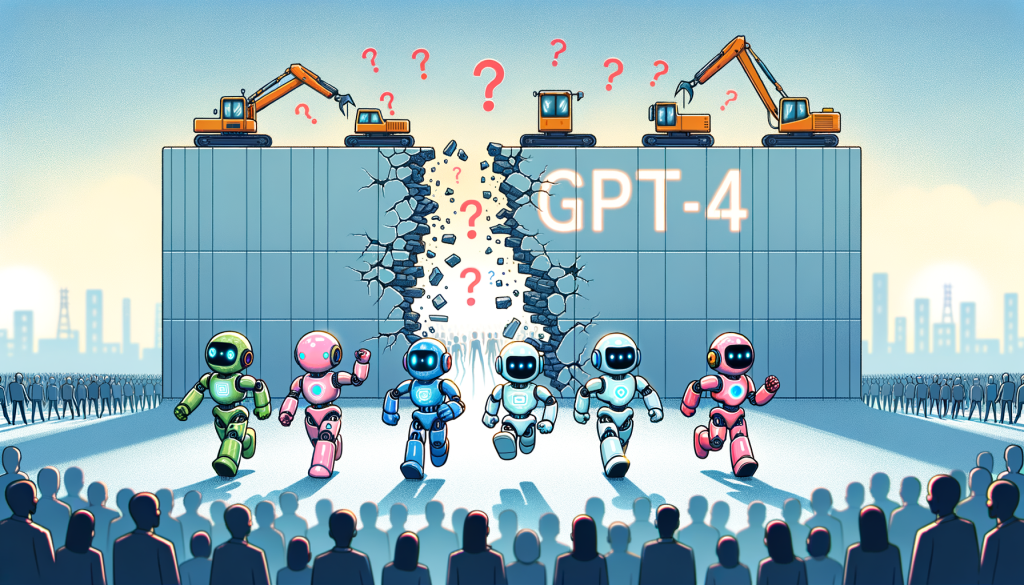
GPT-4 was the top model for tasks and vibes until recently when four new models emerged, challenging its dominance. These models, released in the past month by different vendors, are now benchmarking near or above GPT-4. However, none of these new models are openly licensed or transparent about their training data, raising concerns about ethical practices. The lack of transparency is disappointing, especially amidst growing public sentiment against murky ethical grounds in model development. While the hope for a model trained on public domain or licensed content remains, the necessity of unlicensed data for competing with GPT-4 is acknowledged. Training transparency is valued for making informed decisions on model suitability, highlighting the importance of understanding how models are trained for optimal performance.