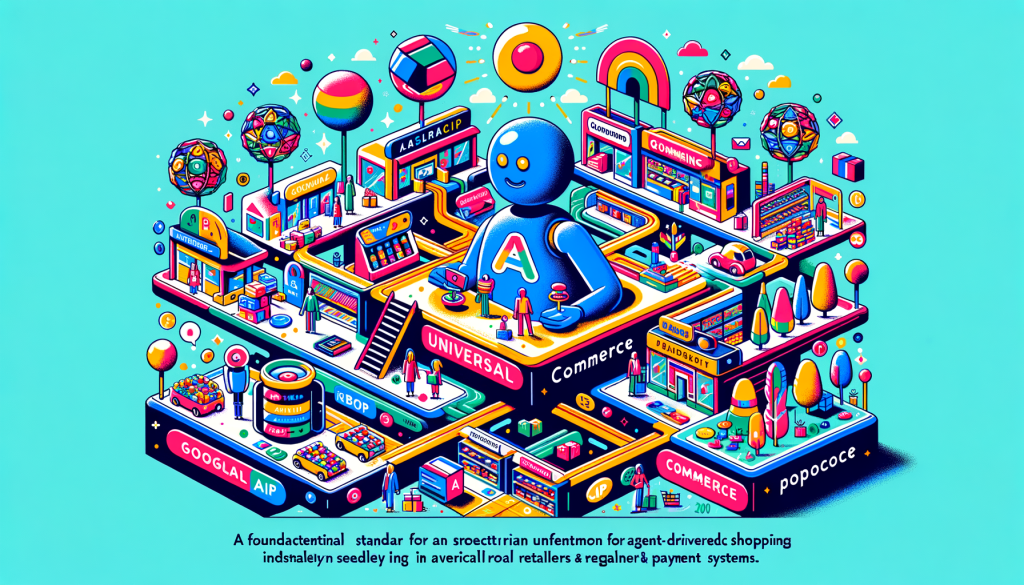
Google is developing the Universal Commerce Protocol (UCP), an infrastructure layer for AI-driven shopping, with support from major retailers like Walmart, Target, and Shopify. This protocol aims to standardize the entire e-commerce transaction process, from discovery to fulfillment, acting as a foundational standard similar to TCP/IP for the internet. UCP enables AI agents to interact seamlessly with retailers and payment systems using a common language, signaling a shift away from traditional search-based shopping. Major retailers are backing Google’s UCP because it allows them to retain ownership of customer relationships and data, while gaining access to agent-mediated distribution without building complex infrastructure. Google’s existing Shopping Graph, a vast knowledge graph of commerce relationships, is designed to integrate directly with UCP, enhancing AI’s ability to understand and execute complex purchase queries. The UCP’s modular design and flexible payment architecture allow for easy integration and scalability, enabling new payment methods to join the ecosystem without protocol updates. The market opportunity for agentic commerce is substantial, with projections of hundreds of billions of dollars by 2030. Businesses are advised to structure product data for AI discoverability, prepare for new attribution models, and understand security requirements. While Amazon is focusing on proprietary systems, Google is building the essential infrastructure layer for the future of commerce, positioning itself to own the protocol that enables scaled agent-mediated transactions.