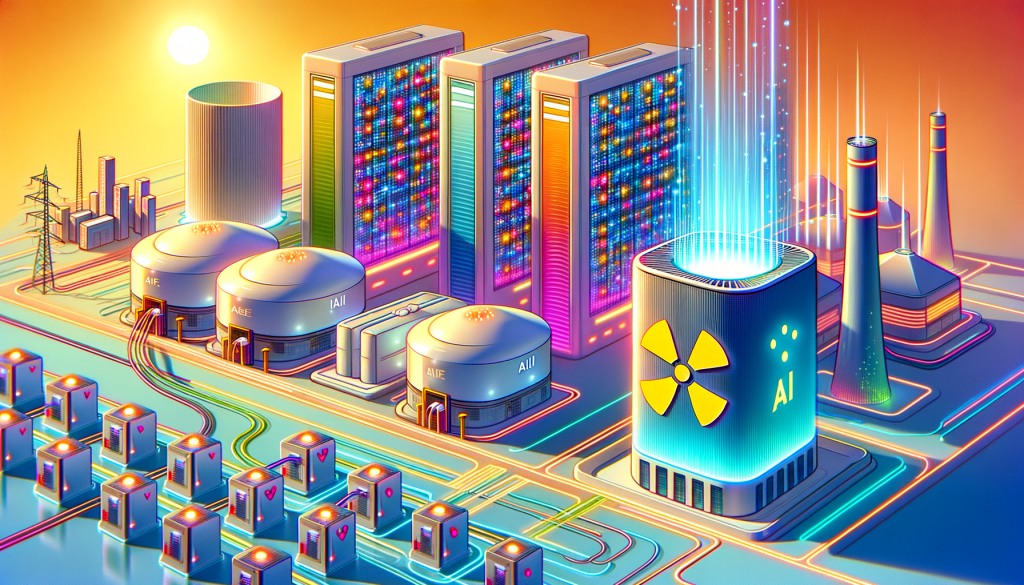
Google has made a groundbreaking deal to purchase energy from small modular nuclear reactors (SMRs) to power its AI datacentres, marking a first in the industry. The company has ordered six or seven SMRs from Kairos Power, with the initial reactor expected to be operational by 2030. This initiative aims to provide a low-carbon energy source to meet the increasing electricity demands driven by the growth of artificial intelligence and cloud storage. Google plans to buy 500 megawatts of power, highlighting the need for new electricity sources to support technological advancements and economic growth.
The deal underscores confidence in SMR technology, designed to mitigate cost overruns and delays associated with larger nuclear plants. However, critics caution that SMRs may be costly due to their inability to achieve the same economies of scale. In the UK, various companies are competing to develop SMR technologies as part of efforts to revitalize the nuclear sector. Supporters argue that SMRs can complement larger reactors and offer a flexible approach to nuclear energy, while opponents advocate for a greater focus on renewable energy sources. The agreement is pending regulatory approval and reflects a significant shift in how tech companies are addressing their energy needs.