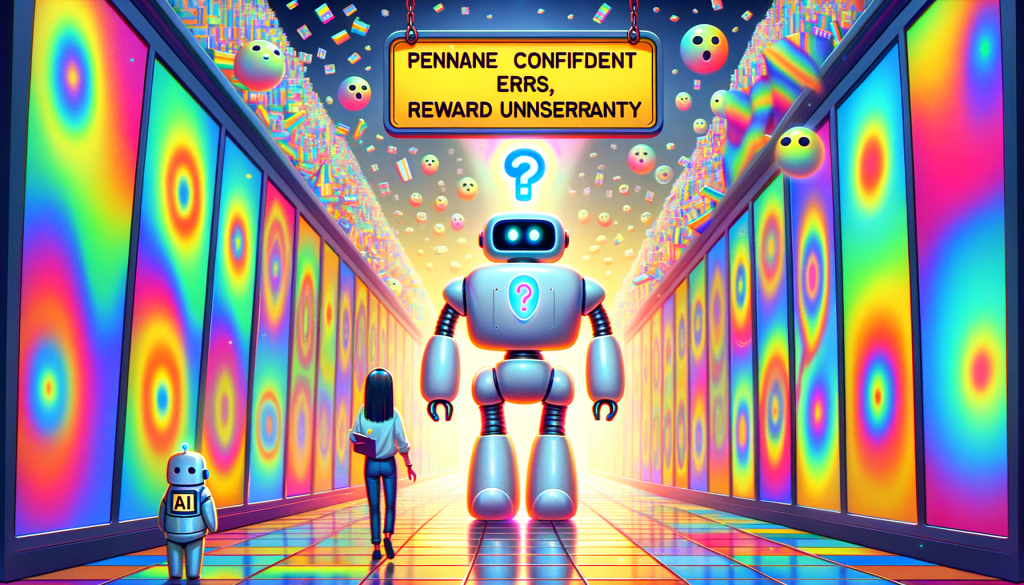
OpenAI has identified the root cause of ‘hallucinations’ in AI models, where they make up incorrect answers. This issue, which worsens as models become more advanced, undermines the reliability of AI technology. OpenAI’s research suggests that models hallucinate because they are incentivized to guess rather than admit uncertainty during training. Current evaluation methods reward guessing over acknowledging a lack of knowledge, leading to persistent hallucinations. OpenAI proposes a solution: penalizing confident errors more than uncertainty and giving partial credit for expressing uncertainty. The company believes this adjustment can realign incentives and reduce hallucinations. However, the effectiveness of this approach remains to be seen, as even OpenAI’s latest model, GPT-5, has not impressed users with its reduced hallucinations. The AI industry continues to grapple with this challenge, despite significant investments and environmental costs. OpenAI remains committed to addressing the issue, acknowledging that hallucinations are a fundamental challenge for all large language models.