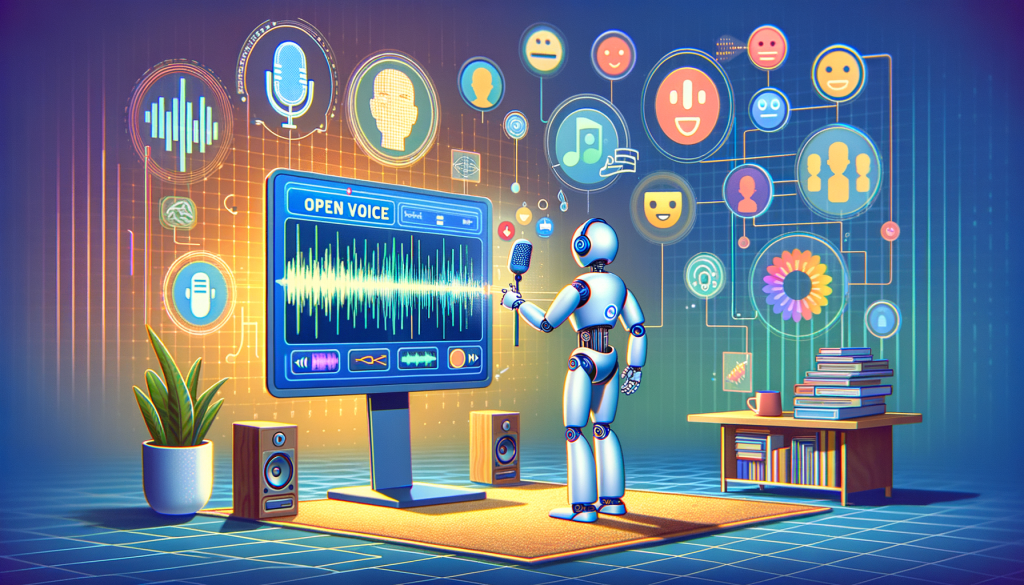
An illustration for a tech article about an open-source voice cloning solution called OpenVoice. The image captures a futuristic scene with a robot assistant standing by a computer screen displaying OpenVoice's interface. The robot is playfully mimicking different voices - changing its tone, emotion, accent, rhythm, pauses, and intonation. You can see a variety of waveforms and audio metrics on the screen. In the background, symbols of academic institutions and an AI-startup are visible, suggesting collaborative research. Farther in the background, there is an abstract representation of various speakers, whose voices are being cloned. The color palette is bright and optimistic, with the overall atmosphere being positive and cutting edge.

Open source klonovanie hlasu s umelou inteligenciou prichádza s novým modelom OpenVoice spoločnosti MyShell

Výskumníci z MIT, Tsinghua University a kanadský startup MyShell vyvinul open-source riešenie na klonovanie hlasu…
Čítať ďalej
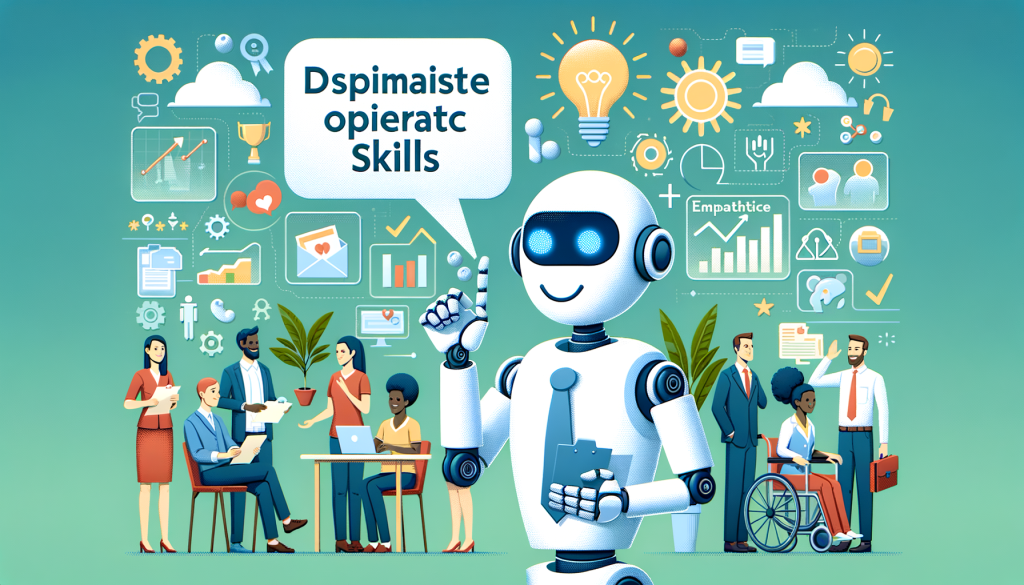
Create a 3:2 aspect ratio illustration that depicts the message from the article about the importance of diverse skills in the job market. The image should have a friendly, positive feel to it. In the foreground, consider including a humanoid optimistic robot as a character, which is prominently associated with artificial intelligence and STEM, demonstrating an interaction with human characters. Perhaps it could be trying to perform a creative or empathetic task but is somehow missing the human touch. Around this, depict humans of various descents and genders engaging in jobs that require face-to-face interaction, creativity, empathy, and managerial skills such as healthcare, hospitality, and leadership roles. The image should emphasise the contrast between the inherent human skills against the skills that can be achieved by robots.

Laureát Nobelovej ceny varuje pred náhlením sa do STEM po vzostupe umelej inteligencie

Nobelovou cenou ocenený ekonóm Christopher Pissarides varoval pred nadmerným dôrazom na štúdium predmetov STEM v…
Čítať ďalej