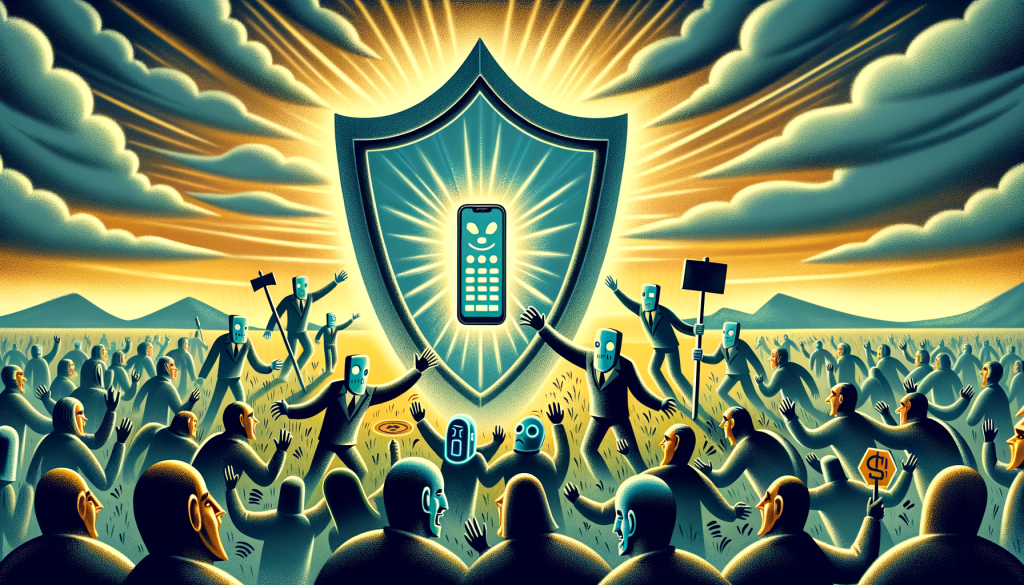
The Federal Communications Commission (FCC) has made it illegal for robocalls to use AI-generated voices. The ruling allows state attorneys general to take action against callers using AI voice cloning technology. AI-generated voices are now considered artificial or prerecorded voices under the Telephone Consumer Protection Act (TCPA). This means that callers cannot use AI-generated voices for non-emergency purposes or without prior consent. The ruling clarifies that AI-powered voice cloning falls under the TCPA’s scope. The use of AI-generated voices in unsolicited robocalls has been a problem, with scammers using them to extort vulnerable individuals, imitate celebrities, and spread misinformation. State attorneys general now have new tools to crack down on these scams and protect the public. The FCC’s ruling gives them the power to hold scam artists accountable solely for using AI-generated voices. The scrutiny of AI voices in robocalls has increased recently, with a case in New Hampshire where an AI voice impersonated President Joe Biden and told people not to vote. The FCC has taken action against the companies involved in that robocall.